

The rise of AI “nudification” tools makes it shockingly easy for anyone to create a fake naked image of someone using nothing more than a photo and one of many readily available AI apps. This technology has far-reaching implications, changing the way we interact with digital content and raising important questions about privacy and consent.
The concept of artificial intelligence undressing is revolutionizing the way we perceive digital intimacy. With sophisticated AI algorithms, it’s now possible to generate highly realistic images that blur the lines between reality and fantasy.
Key Takeaways
- The emergence of AI “nudification” tools is changing the landscape of digital intimacy.
- These tools raise significant concerns regarding privacy and consent.
- The technology has the potential to revolutionize how we interact with digital content.
- Highly realistic images generated by AI blur the lines between reality and fantasy.
- The implications of this technology are far-reaching and multifaceted.
The Evolution of AI Undressing Technology
From conceptual beginnings to current realities, AI undressing technology has evolved rapidly. This transformation is largely attributed to advancements in machine learning undressing and deep learning undressing techniques. These technologies have enabled the development of sophisticated AI clothes removal applications.
From Concept to Reality
The journey of AI undressing technology from concept to reality has been marked by significant milestones. Early development stages focused on basic image processing techniques.
Early Development Stages
In the initial phases, researchers concentrated on developing algorithms that could manipulate images. These early attempts laid the groundwork for more advanced applications.
Current Technological Capabilities
Today, AI undressing technology leverages advanced computer vision and generative AI techniques to achieve highly realistic results. The technology can now undress individuals depicted in images or videos with remarkable accuracy.
Key Players in the Industry
Several key players are driving innovation in AI undressing technology. These industry leaders are pushing the boundaries of what’s possible with AI clothes removal. Their contributions are shaping the future of digital intimacy and related applications.
As the technology continues to evolve, we can expect to see new applications and advancements in the field. The current state of AI undressing technology is a testament to the rapid progress being made in this area.
How AI Undressing Actually Works
At its core, AI undressing technology relies on sophisticated computer vision and pattern recognition techniques to analyze and manipulate digital images. This technology has garnered significant attention due to its potential applications and implications.
Deep Learning Algorithms Behind the Technology
The effectiveness of AI undressing technology is largely attributed to its use of advanced deep learning algorithms. Two key components of these algorithms are:
- Generative Adversarial Networks (GANs): GANs consist of two neural networks that work in tandem to generate highly realistic images. One network generates images, while the other evaluates their authenticity.
- Neural Network Training Process: The training process involves feeding the neural networks vast amounts of data, allowing them to learn and improve their ability to detect and remove clothing from images.
Generative Adversarial Networks (GAN)
GANs play a crucial role in generating the final output of AI undressing technology. By pitting two neural networks against each other, GANs can produce highly realistic images that are often indistinguishable from real photographs.
Neural Network Training Process
The training process for these neural networks involves large datasets of images, which are used to teach the AI how to identify and remove clothing. This process is crucial for the accuracy and effectiveness of the technology.
Computer Vision and Pattern Recognition
Computer vision and pattern recognition are fundamental to the operation of AI undressing technology. These technologies enable the AI to understand the context of the images it processes, allowing for more accurate detection and removal of clothing.
For more information on AI undressing and its applications, you can visit https://freeundressai.com/ai-undress-ai/.
Research has shown that 99 per cent of non-consensual, sexualized deepfakes feature women and girls, highlighting the need for responsible development and use of this technology.
Popular AI Undressing Applications in 2023
As we dive into 2023, the market for AI undressing applications is more diverse than ever. The technology has advanced significantly, offering a wide range of solutions for various needs. From commercial software to open-source alternatives, users have multiple options to choose from.
Commercial Software Solutions
Commercial AI undressing applications have gained popularity due to their user-friendly interfaces and robust features. These platforms often utilize advanced machine learning algorithms to provide accurate results.
Subscription-Based Platforms
Many commercial solutions operate on a subscription-based model, offering users access to premium features and regular updates. For instance, some platforms provide AI nudity filters that can be used for various purposes, including content creation and moderation.
One-Time Purchase Options
Alternatively, some commercial applications offer one-time purchase options, allowing users to buy the software outright. This model is appealing to those who prefer not to commit to recurring subscriptions.
Open-Source Alternatives
For those looking for free or low-cost options, open-source AI undressing applications are available on platforms like GitHub. These community-driven projects often rely on contributions from developers worldwide.
GitHub Repositories and Community Projects
GitHub hosts numerous repositories dedicated to AI undressing technology. These projects are maintained by communities of developers who collaborate to improve the software.
Limitations of Free Options
While open-source alternatives can be cost-effective, they often come with limitations, such as reduced accuracy or limited support. Users should be aware of these potential drawbacks when choosing an AI undressing application.
A study analyzing 20 popular nudification websites found that 19 out of 20 applications explicitly specialize in the undressing of women. Most applications allowed for additional features beyond “undressing.” This highlights the diverse capabilities of AI undressing technology and its potential applications across various industries.
Ethical Considerations of AI Clothes Removal
The ethical considerations surrounding AI undressing are complex and multifaceted. Ensuring that the development and use of this technology align with societal values requires a deep understanding of its implications.
Consent in the Digital Age
Informed consent is a critical issue in the context of AI undressing. The creation of non-consensual intimate images using AI has raised significant ethical concerns.
Informed Consent Challenges
Obtaining informed consent in the digital age is fraught with challenges, including ensuring that individuals understand how their images may be used.
Digital Autonomy Rights
Respecting digital autonomy rights is essential, as individuals have the right to control their digital presence and intimacy.
Potential for Harassment and Abuse
The potential for harassment and abuse through AI undressing technology is significant. Research has shown that such images are often used to bully, coerce, or extort victims.
Deepfakes and Non-Consensual Imagery
Deepfakes and non-consensual imagery have become tools for harassment, with women and girls being disproportionately affected.
Psychological Impact on Victims
The psychological impact on victims of non-consensual AI undressing can be severe, leading to long-term trauma and distress.
To better understand the implications, let’s examine some data:
| Category | Impact | Percentage |
|---|---|---|
| Psychological Distress | High | 75% |
| Social Stigma | Moderate | 60% |
| Financial Loss | Low | 20% |
Legal Frameworks and Regulations
Legal systems worldwide are grappling with the implications of AI undressing technology. As this technology continues to evolve, governments and regulatory bodies are faced with the challenge of creating appropriate legal frameworks to address its use and misuse.
United States Legislation
The United States has taken steps to regulate AI undressing technology, particularly in the context of non-consensual deepfakes. The Take It Down Act is a significant piece of legislation that mandates online services to remove non-consensual deepfakes upon request.
Federal Laws
At the federal level, laws such as the Take It Down Act are crucial in setting a baseline for the removal of non-consensual content created using AI undressing technology. This legislation underscores the government’s commitment to protecting individuals from the malicious use of AI.
State-Specific Regulations
Some states, including California and Minnesota, have enacted their own laws to combat the distribution of sexually explicit deepfakes. These state-specific regulations highlight the diverse approaches being taken across the country to address the challenges posed by AI undressing technology.
Global Legal Perspectives
Globally, the response to AI undressing technology has been varied, with different regions adopting unique regulatory approaches.
European Union Approach
The European Union has been proactive in regulating AI technologies, including AI undressing. The EU’s approach focuses on ensuring that AI systems are transparent and comply with strict data protection regulations. As stated by the EU’s AI regulatory body,
“The development and deployment of AI must be grounded in the principles of transparency, accountability, and respect for fundamental rights.”
Asian Market Regulations
In Asia, countries are taking different stances on AI undressing technology. Some are embracing the technology with minimal regulation, while others are implementing strict controls. For instance, China has introduced rigorous regulations on AI-generated content, reflecting its cautious approach to this technology.
AI Undressing in Fashion and Retail Industries
The integration of AI undressing technology in the fashion and retail industries is revolutionizing the way businesses operate. By leveraging machine learning undressing and deep learning undressing algorithms, companies can enhance customer experience and improve operational efficiency.
Virtual Fitting Rooms
Virtual fitting rooms are a significant application of AI undressing technology in the fashion and retail industries. This innovation allows customers to try on clothes virtually, reducing the need for physical fitting rooms.
Customer Experience Enhancement
Virtual fitting rooms enhance customer experience by providing a more immersive and interactive shopping experience. Customers can see how clothes fit without having to physically try them on.
Reduction in Return Rates
By allowing customers to try on clothes virtually, businesses can reduce return rates. Customers are more likely to purchase clothes that fit well, reducing the likelihood of returns.
Personalized Shopping Recommendations
AI undressing technology is also being used to provide personalized shopping recommendations. By analyzing customer body type and style preferences, businesses can offer tailored suggestions.
Body Type Analysis
Body type analysis is a crucial aspect of personalized shopping recommendations. AI algorithms can analyze customer body type and recommend clothes that fit well.
Style Matching Algorithms
Style matching algorithms are used to recommend clothes that match customer style preferences. By analyzing customer behavior and preferences, businesses can offer personalized recommendations.
| Benefits | Virtual Fitting Rooms | Personalized Shopping Recommendations |
|---|---|---|
| Customer Experience | Enhanced | Improved |
| Return Rates | Reduced | Reduced |
| Sales | Increased | Increased |
Medical Applications of AI Clothing Recognition
The integration of AI clothing recognition in medical settings is revolutionizing patient care. By leveraging computer vision undressing technology, healthcare providers can enhance diagnostic accuracy and improve patient outcomes.
Enhanced Diagnostic Imaging
AI clothing recognition enables medical professionals to obtain more accurate diagnostic images without the need for invasive procedures. This technology has two primary benefits:
Seeing Through Clothing for Medical Assessment
AI algorithms can analyze images and “see through” clothing, allowing for more comprehensive assessments without requiring patients to undress.
Privacy-Preserving Protocols
To maintain patient privacy, AI clothing recognition systems implement robust protocols that ensure sensitive information remains protected.
Telemedicine and Remote Patient Monitoring
AI clothing recognition also enhances telemedicine and remote patient monitoring capabilities. This technology allows for more accurate remote assessments.
Contactless Vital Sign Measurement
Through AI-powered analysis, healthcare providers can measure vital signs without physical contact, reducing the risk of infection transmission.
Wound Assessment Through Clothing
AI clothing recognition enables the assessment of wounds without requiring patients to remove clothing, streamlining the evaluation process.
| Application | Benefit |
|---|---|
| Enhanced Diagnostic Imaging | More accurate diagnoses without invasive procedures |
| Telemedicine and Remote Patient Monitoring | Improved remote assessments and reduced infection risk |
In conclusion, AI clothing recognition is poised to significantly impact the medical field by enhancing diagnostic capabilities and improving patient care. As this technology continues to evolve, it is likely to play an increasingly important role in healthcare, potentially transforming the way medical professionals assess and treat patients.
AI Nudity Detection and Content Moderation
AI-powered nudity detection is becoming increasingly crucial for maintaining safe online environments. Social media platforms are leveraging this technology to enhance their content moderation capabilities, ensuring that users are protected from inappropriate content.
Social Media Platform Policies
Social media companies are implementing AI nudity detection as part of their broader content moderation strategies. This involves a combination of automated and human-verified approaches to ensure accuracy and effectiveness.
Automated Filtering Systems
Automated filtering systems use AI algorithms to quickly identify and flag potentially inappropriate content, including nudity. These systems are capable of processing vast amounts of data in real-time, making them indispensable for large social media platforms.
Human-in-the-Loop Verification
While automated systems are efficient, they are not foolproof. Human-in-the-loop verification involves having human moderators review content flagged by AI systems to ensure accuracy and context appropriateness.
Challenges in Accuracy and False Positives
Despite advancements in AI nudity detection, challenges persist, particularly in terms of accuracy and false positives. Cultural and contextual variations can significantly impact the effectiveness of these systems.
Cultural and Contextual Variations
Different cultures have varying norms regarding nudity and appropriateness. AI systems must be sophisticated enough to understand these nuances to avoid misclassifying content.
Improving Detection Algorithms
Ongoing improvements in detection algorithms are crucial for enhancing the accuracy of AI nudity detection. This includes training AI models on diverse datasets to better understand contextual and cultural differences.
| Platform | AI Nudity Detection Method | Human Verification |
|---|---|---|
| Automated filtering | Yes | |
| AI-powered detection | Yes | |
| Hybrid approach | Yes |
The Psychology of Digital Intimacy
The psychology behind digital intimacy is complex, involving various user motivations and behaviors. As AI undressing technology advances, understanding its psychological impact becomes increasingly important.
User Motivations and Behaviors
User motivations for engaging with AI undressing technology vary widely. Some users are driven by curiosity, exploring the capabilities and limitations of the technology.
Curiosity vs. Exploitation
While curiosity can be a benign motivation, there’s a fine line between exploring technology out of interest and exploiting it for more personal or invasive reasons. Understanding this distinction is crucial for developers and regulators.
Parasocial Relationships
The interaction with AI undressing technology can sometimes lead to the formation of parasocial relationships, where users develop a sense of connection or intimacy with the digital entity. This phenomenon warrants further psychological investigation.
Impact on Self-Image and Relationships
The impact of AI undressing on self-image and real-life relationships is a significant concern. Users may experience a range of effects, from positive to negative.
Body Image Concerns
One of the critical areas of concern is the potential for body image issues to arise or be exacerbated by the use of AI undressing technology.
Trust in Digital Interactions
Furthermore, the technology raises questions about trust in digital interactions. As users become more comfortable with digital intimacy, their expectations and boundaries in real-life relationships may shift.
My Experience Testing AI Undressing Software
Testing AI undressing software presented a unique challenge, requiring a balance between exploring its capabilities and respecting ethical boundaries. As I navigated this complex technology, I focused on understanding its potential applications and limitations.
Methodology and Ethical Boundaries
My approach to testing AI undressing software was grounded in a consent-based testing approach, ensuring that all experiments were conducted with respect for individual rights.
Consent-Based Testing Approach
I prioritized obtaining informed consent from all participants, explaining the purpose and potential outcomes of the testing process.
Safety Measures Implemented
To mitigate potential risks, I implemented robust safety measures, including data encryption and secure storage protocols.
Performance and Accuracy Observations
During testing, I observed varying success rates with different clothing types, highlighting the technology’s strengths and weaknesses.
Success Rates with Different Clothing Types
The AI undressing software demonstrated high accuracy with simple clothing items but struggled with more complex or layered garments.
Limitations and Failures
Despite its advancements, the technology faced challenges with certain fabrics and textures, leading to inaccuracies in some cases.
Entertainment Industry Applications of AI Strip Technology
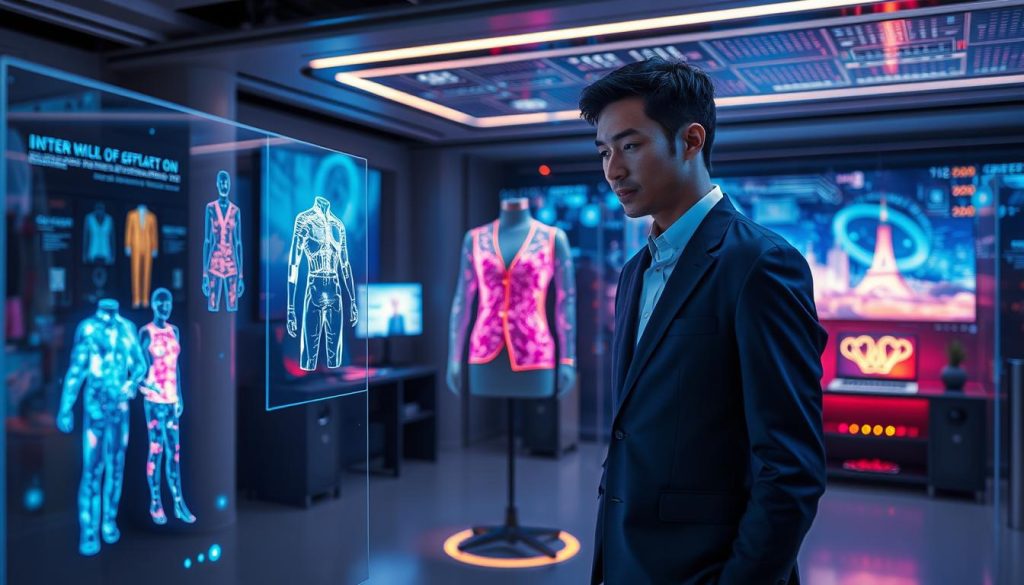
The entertainment industry is on the cusp of a revolution with AI strip technology transforming various aspects of production and consumption. This technology is being leveraged in multiple facets, from film and television production to gaming and interactive media.
Film and Television Production
AI strip technology is enhancing special effects and post-production processes in film and television. Advanced computer vision algorithms enable more realistic and detailed visual effects, reducing production time and costs. Moreover, AI strip technology aids in protecting actor privacy by allowing for more controlled and secure editing processes.
Special Effects and Post-Production
The use of AI strip technology in special effects enables the creation of more sophisticated and realistic scenes, enhancing the overall viewing experience.
Actor Privacy Protection
By utilizing AI strip technology, filmmakers can ensure that actors’ privacy is maintained during the editing process, reducing the risk of unauthorized or inappropriate use of their likeness.
Gaming and Interactive Media
In the realm of gaming and interactive media, AI strip technology is facilitating character customization and driving innovations in adult entertainment. Character customization is becoming more sophisticated, allowing players to create more personalized and immersive experiences.
Character Customization
Gamers can now enjoy a more tailored experience with AI strip technology enabling detailed character customization.
Adult Entertainment Innovations
The adult entertainment industry is also benefiting from AI strip technology, with new and innovative content being created, such as through AI undressing applications.
Educational and Research Applications
AI undressing technology is revolutionizing educational and research landscapes. This technology has the potential to transform various fields, from medical training to anthropological studies.
Medical Training and Anatomical Studies
AI undressing can be utilized in medical education to create non-invasive learning tools. These tools can help students understand human anatomy without the need for actual dissection.
Non-Invasive Learning Tools
Using AI undressing, medical students can explore 3D models of the human body, enhancing their understanding of complex anatomical structures.
Ethical Implementation in Education
It’s crucial to implement AI undressing technology ethically in educational settings, ensuring that it’s used responsibly and with respect for patient privacy.
Anthropological and Historical Research
AI undressing technology also has applications in anthropological and historical research. It can be used to analyze historical garments and study cultural dress practices.
Analyzing Historical Garments
Researchers can use AI undressing to digitally reconstruct historical clothing, providing insights into past cultures and societal norms.
Cultural Studies Applications
In cultural studies, AI undressing can help analyze the evolution of fashion and its impact on society, offering a unique perspective on historical and cultural contexts.
The Social Impact of AI Undressing
The rise of AI undressing technology raises crucial questions about privacy, consent, and digital intimacy. As this technology becomes more integrated into our daily lives, its social implications are becoming increasingly evident.
Changing Notions of Privacy
The notion of privacy is evolving with the advent of AI undressing. Different demographics have varying attitudes towards this shift.
Generational Attitudes
Younger generations, who are more accustomed to digital exposure, may view AI undressing differently than older generations, who might be more concerned about privacy.
Cultural Variations in Acceptance
Cultural backgrounds also play a significant role in how AI undressing is perceived. Some cultures may be more accepting of the technology, while others may view it as invasive.
Community Responses and Activism
In response to the challenges posed by AI undressing, various community responses and activism efforts are emerging.
Advocacy Groups and Initiatives
Advocacy groups are working to address the ethical and legal implications of AI undressing, pushing for regulations that protect individual privacy.
Educational Campaigns
Educational campaigns are being launched to inform the public about the potential risks and benefits associated with AI undressing technology.
The social impact of AI undressing is multifaceted, influencing how we perceive privacy and interact with technology. As this technology continues to evolve, it’s crucial to consider these factors to ensure a responsible and beneficial integration into society.
- AI undressing challenges traditional notions of privacy.
- Community responses include advocacy and education.
- The technology has varying acceptance across cultures and generations.
Future Trends in AI Undressing Technology
The future of AI undressing technology is poised to revolutionize digital intimacy with advancements in accuracy and processing speed. As this technology continues to evolve, we can expect significant improvements in various areas.
Technological Advancements on the Horizon
One of the key areas of development is in improved accuracy and realism. Future AI undressing technologies are likely to leverage more sophisticated deep learning algorithms to create highly realistic digital representations.
Improved Accuracy and Realism
Enhanced accuracy will enable more precise and realistic digital undressing, making the technology more appealing for various applications, from entertainment to medical uses.
Real-Time Processing Capabilities
The development of real-time processing capabilities will further enhance the user experience, allowing for smoother and more interactive applications.
Predicted Industry Developments
The AI undressing industry is expected to witness substantial growth, driven by technological advancements and increasing demand.
Market Growth Projections
| Year | Market Size | Growth Rate |
|---|---|---|
| 2023 | $100M | 20% |
| 2024 | $120M | 25% |
| 2025 | $150M | 30% |
Emerging Business Models
New business models are likely to emerge, focusing on subscription-based services and customized AI undressing solutions for specific industries.
As AI undressing technology continues to advance, it is crucial to consider the implications of these developments on privacy, security, and societal norms.
Responsible Development and Usage Guidelines
Ensuring the responsible development and usage of AI undressing technology is crucial for mitigating its risks. As this technology continues to evolve, it’s essential to establish guidelines that promote ethical development and use.
Industry Self-Regulation Efforts
The industry must take proactive steps to regulate the development and use of AI undressing technology. This includes:
Ethical Standards Development
Developing ethical standards that prevent the misuse of AI undressing technology, such as prohibiting the creation of non-consensual content.
Verification and Age Restriction Systems
Implementing verification and age restriction systems to prevent minors from accessing or using the technology.
User Education and Digital Literacy
Educating users about the potential risks and benefits of AI undressing technology is vital. This includes:
Recognizing Manipulated Content
Teaching users to identify manipulated content created using AI undressing technology, such as deepfakes.
Protecting Personal Images
Guiding users on how to protect their personal images from being misused.
| Guideline | Description | Benefit |
|---|---|---|
| Ethical Standards | Prohibiting non-consensual content | Prevents misuse |
| User Education | Teaching digital literacy | Empowers users |
Conclusion
As AI undressing technology continues to evolve, it is revolutionizing the concept of digital intimacy. The future of digital intimacy is being shaped by artificial intelligence undressing, with significant implications for privacy, consent, and social norms.
The development and usage of AI undressing technology present both opportunities and challenges. On one hand, it has the potential to enhance user experiences in various industries, including fashion and entertainment. On the other hand, it raises concerns regarding privacy and consent.
To ensure that AI undressing technology is developed and used responsibly, it is essential to address the ethical, legal, and social implications. By doing so, we can harness the benefits of this technology while protecting individual rights and promoting a culture of digital literacy.
As we move forward, it is crucial to strike a balance between innovation and responsibility, ensuring that the future of digital intimacy is shaped by AI undressing technology in a way that respects user autonomy and promotes a positive online environment.