
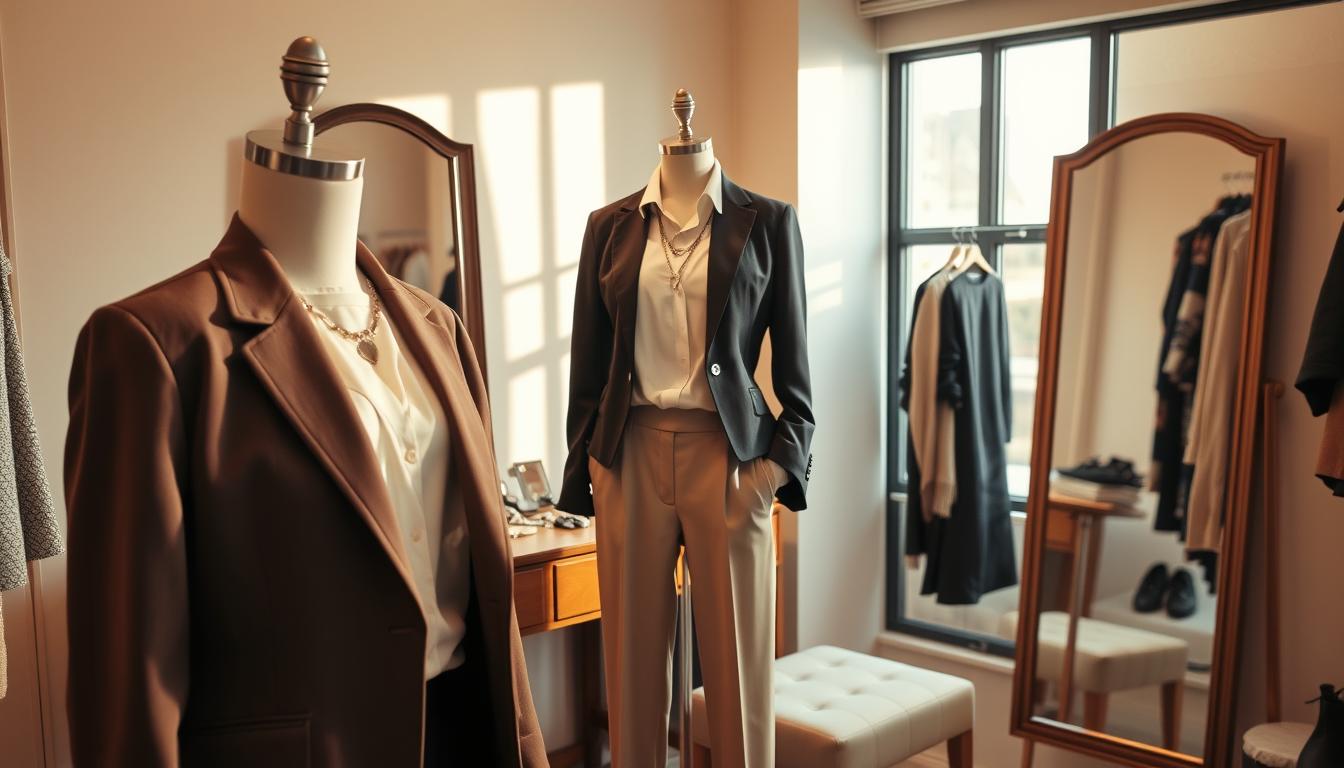
Did you know that the art of undressing can be just as important as dressing? It’s a skill that can make a significant difference in our daily lives, from getting ready for a night out to preparing for a relaxing evening at home. As someone who has mastered the art of undressing efficiently, I’m excited to share my insider secrets with you.
In this article, I’ll be revealing the tips and tricks that have helped me expose the simplicity and elegance of undressing. Whether you’re looking to streamline your morning routine or simply want to feel more confident in your own skin, you’ll find valuable insights and practical advice. For more information on AI-powered content generation, you can visit FreeUndressAI.
Key Takeaways
- Discover the art of undressing efficiently
- Learn how to simplify your daily routine
- Gain confidence in your own skin
- Explore the benefits of AI-powered content generation
- Streamline your morning routine with ease
My Personal Undressing Evolution
The way I undress has evolved significantly over the years, shaped by trial and error. As I’ve grown older, I’ve come to appreciate the importance of efficient clothing removal, not just for convenience but also for comfort and practicality.
Through my personal journey, I’ve discovered that developing a streamlined undressing process can make a significant difference in daily life. This realization didn’t come overnight; it was the result of years of experimenting with different techniques and adapting to various situations.
How I Developed Efficient Techniques
My journey towards efficient undressing began with observing how others undressed, particularly in situations where speed and ease were crucial, such as during sports or in tight spaces. I noticed that some people could strip down quickly and effortlessly, while others struggled. I sought to understand the techniques used by the former group and incorporated them into my own routine.
Over time, I’ve refined my approach to undress in a way that minimizes effort and maximizes efficiency. This involved practicing different methods, being mindful of my clothing choices, and adapting my technique to suit various garments and situations.
Why I’m Sharing These Methods
According to Business Insider, sharing personal anecdotes and innovative strategies can provide valuable insights to readers. By sharing my undressing techniques, I aim to help others who may struggle with clothing removal, whether due to busy lifestyles, physical limitations, or simply a desire to simplify their daily routines.
My goal is to empower readers with practical knowledge that can make a tangible difference in their daily lives. By adopting efficient undressing techniques, individuals can save time, reduce frustration, and enhance their overall comfort and well-being.
The Science of How to Undress Properly
Understanding the science behind undressing can significantly improve our daily routines. When we unclothe or disrobe, we’re not just removing clothes; we’re engaging in an activity that can impact our comfort and safety.
The way we take off clothes can either contribute to our well-being or potentially lead to strain and injury. It’s essential to approach undressing with a mindful attitude, considering the ergonomics involved.
Ergonomics of Clothing Removal
The ergonomics of undressing involves understanding how to remove clothing in a way that minimizes strain on our bodies. This includes being aware of our posture, the order in which we remove clothes, and how we handle different types of fabrics and fastenings.
For instance, when removing a shirt, it’s more ergonomic to start by loosening any tight collars or cuffs before pulling it over our heads. This reduces the strain on our neck and shoulders.
Preventing Strain and Injury
Preventing strain and injury while undressing is crucial, especially for individuals with certain health conditions or mobility issues. It’s about being gentle with our bodies and avoiding sudden or jerky movements that could cause harm.
For example, when disrobing, it’s advisable to sit down if possible, especially when removing lower garments, to prevent loss of balance. Additionally, using assistive devices or adaptive clothing can make a significant difference for those who struggle with conventional clothing.
By adopting a mindful approach to undressing, we can significantly reduce the risk of strain and injury, making this daily activity a safer and more comfortable experience.
Essential Undressing Techniques for Everyday Wear
Efficient undressing techniques are essential for everyday wear. Mastering these can make a significant difference in our daily routines, saving time and reducing unnecessary stress. Whether you’re getting ready for bed or changing into something else, knowing the right methods can be incredibly beneficial.
T-Shirt and Top Removal Methods
Removing tops efficiently is a fundamental skill. Two effective techniques are particularly useful: the Cross-Arm Technique and the One-Handed Collar Pull.
The Cross-Arm Technique
This method involves crossing your arms and grabbing the hem of your shirt. With a swift motion, you can pull it over your head. It’s a simple yet effective way to undress quickly.
The One-Handed Collar Pull
For those who need a bit more finesse, the One-Handed Collar Pull is a great alternative. By grasping the collar with one hand and using your other hand for support, you can strip down with ease.
Bottom Garment Strategies
Dealing with bottom garments requires a different set of techniques. The Sit-and-Slide for Pants and Skirt Removal Shortcuts are invaluable.
The Sit-and-Slide for Pants
Sitting down to remove your pants can be a game-changer, especially when you’re in a hurry. By sitting and sliding your pants off, you can take off clothes efficiently without struggling.
Skirt Removal Shortcuts
For skirts, a quick shimmy or slide can be all you need. Holding onto the waistband, you can bare it all in seconds.
Sock and Shoe Efficiency
Finally, removing socks and shoes can be streamlined with the right techniques. The Heel-Hook Method and the Sock Roll-Off are particularly effective.
The Heel-Hook Method
By hooking your heel under the heel tab of your sock, you can easily pull it off. This method is both quick and efficient.
The Sock Roll-Off
Alternatively, rolling your socks down and off your feet can be a simple way to undress completely.
By incorporating these techniques into your daily routine, you’ll find that undressing becomes a much simpler and faster process.
How to Undress Without Damaging Your Clothes
When it comes to removing your clothes, the way you unclothe can significantly impact the longevity of your garments. The process of disrobing might seem straightforward, but it requires care to prevent damage, especially to delicate or high-quality items. In this section, we’ll explore techniques to expose your skin without compromising the integrity of your clothing.
Preserving Delicate Fabrics
Delicate fabrics such as silk, satin, cashmere, and wool require special handling when you undress. To reveal your skin without damaging these materials, it’s essential to understand their unique characteristics.
Silk and Satin Handling
Silk and satin are luxurious fabrics that can be easily damaged if not handled properly. When disrobing, gently slide your arms out of the sleeves or carefully lift the garment over your head to avoid snagging or tearing. Handle these fabrics with care to maintain their luster and softness.
Cashmere and Wool Care
Cashmere and wool garments are prized for their warmth and softness. To preserve these qualities, avoid pulling or tugging on the fabric when removing them. Instead, gently roll the garments off your body or slide them over your head to prevent stretching or pilling.

Preventing Stretched Necklines and Seams
Preventing stretched necklines and seams is crucial for maintaining the fit and appearance of your garments. Certain techniques can help you unclothe without causing unnecessary strain on these areas.
Button-Down Techniques
For button-down shirts, start by unbuttoning from the top down. This allows you to gradually release the garment from your body, reducing the risk of stretching the neckline or seams.
Sweater and Knit Preservation
When removing sweaters or knitwear, avoid pulling them over your head if they have a tight neckline. Instead, consider unzipping or unbuttoning if possible, or gently stretching the neckline to ease it over your head.
| Fabric Type | Removal Technique | Benefit |
|---|---|---|
| Silk/Satin | Gently slide out of sleeves or lift over head | Prevents snagging and tearing |
| Cashmere/Wool | Roll garment off body or slide over head | Reduces stretching and pilling |
| Button-Down | Unbutton from top down | Reduces strain on neckline and seams |
Speed Undressing: My Quickest Techniques
Speed undressing is not just about ripping off clothes; it’s about technique and strategy. Over the years, I’ve developed and refined my approach to undressing quickly, which has proven invaluable in various situations.
The 30-Second Full Outfit Change
Achieving a full outfit change in 30 seconds is a feat that requires practice and the right methodology. Here’s a step-by-step guide:
- Start by loosening any tight clothing to facilitate easier removal.
- Use your non-dominant hand to undo buttons or zippers while your dominant hand is free to pull off garments.
- Practice removing your top and bottom garments in a coordinated manner.
- For layered clothing, focus on removing the outer layer first to avoid tangling.
By mastering these steps, you can significantly reduce your undressing time. It’s all about efficient clothing removal techniques.
Layered Clothing Removal Strategies
Dealing with layered clothing can be challenging, but there are strategies to simplify the process. When you need to strip down quickly, prioritize removing the outermost layer first.
- Identify the outermost garment and remove it.
- If there are multiple layers, try to remove them in a sequence that minimizes tangling.
- For complex layers, such as those involving dresses or jumpsuits, practice the most efficient removal sequence.
By employing these strategies, you can master the art of speed undressing, making it easier to change outfits quickly or prepare for activities that require less clothing. The key is to practice regularly to build your undressing speed.
Undressing with Physical Limitations
I’ve discovered that with the right strategies and adaptive tools, undressing can become a more manageable task, even with physical constraints. This is particularly important for individuals who face challenges due to limited mobility or other physical limitations.
When undressing becomes difficult, it can affect one’s independence and confidence. However, there are several techniques and tools that can make a significant difference.
Techniques for Limited Mobility
For those with limited mobility, it’s essential to adopt undressing techniques that minimize strain and maximize efficiency. One effective method is to undress in stages, starting with the upper body and then moving to the lower body. This approach helps in managing the task without feeling overwhelmed.
- Begin by removing upper body clothing, such as shirts or tops, using gentle, pulling motions.
- For lower body clothing, consider sitting down to remove pants or skirts, which can be easier and safer.
- Use adaptive clothing with magnetic closures or elastic waistbands to simplify the process.
Additionally, dressing and undressing aids like long-handled reachers or dressing sticks can be incredibly helpful. These tools allow individuals to take off clothes without having to stretch or bend excessively.
Helpful Tools and Adaptive Clothing
Adaptive clothing is designed to be easier to disrobe from, featuring designs like front-opening garments, adjustable fasteners, and easy-release buckles. These designs cater to individuals with limited dexterity or mobility, making the undressing process less challenging.
- Look for clothing with magnetic or Velcro closures instead of zippers or buttons.
- Consider garments with elastic or adjustable waistbands for easier removal.
- Utilize dressing aids like buttonhooks or zipper pulls to assist with fine motor tasks.
By incorporating these techniques and tools, individuals with physical limitations can maintain their independence and comfort while undressing. It’s about finding the right combination of strategies that work best for each individual’s needs.
The Art of Undressing in Challenging Spaces
The ability to undress efficiently in challenging spaces is a valuable skill that can make a big difference in your daily life. Whether you’re changing in a cramped car, a small hotel room, or outdoors, having the right techniques can save you time and reduce stress.
Vehicle Changing Mastery
Changing clothes in a vehicle can be particularly challenging due to the confined space. To master vehicle changing, start by preparing your clothes within easy reach. Use a designated bag or container to keep your change of clothes organized and accessible. When undressing, do so in a systematic manner, removing items in a way that minimizes tangling or bunching.
Tips for Vehicle Changing:
- Choose clothing that is easy to change in and out of, such as items with elastic waistbands.
- Use a portable changing mat or blanket to provide a clean surface.
- Consider wearing layers that can be easily added or removed.
Tiny Changing Room Tactics
Tiny changing rooms can be just as challenging as vehicles. To undress efficiently in these spaces, it’s essential to be organized and strategic. Begin by assessing the available space and planning your movements accordingly. Hang up or fold your clothes in a way that allows for easy access.
Efficient Use of Space:
- Use the hooks or hangers provided to hang your clothes.
- Keep your personal items in a designated bag to avoid clutter.
- Change in a sequence that minimizes the need to maneuver around the room.
Outdoor Changing Techniques
Outdoor changing requires a different set of skills, often involving finding privacy and dealing with variable weather conditions. To strip down outdoors efficiently, look for a secluded spot or use a portable changing tent if available. Be mindful of the ground conditions and use a waterproof mat or blanket if necessary.
| Outdoor Changing Tips | Benefits |
|---|---|
| Choose a secluded location | Maintains privacy |
| Use a portable changing tent | Provides shelter and privacy |
| Bring a waterproof mat | Protects against wet or dirty ground |
By mastering these techniques, you’ll be able to undress and change in a variety of challenging spaces with ease, making your daily life more convenient and less stressful.
Seasonal Undressing Challenges Solved
As the seasons change, our clothing choices change dramatically, bringing unique challenges when it’s time to undress. Whether you’re shedding layers in winter or dealing with clingy fabrics in summer, having the right strategies can make all the difference.

Winter Layering Removal Sequence
Winter clothing often involves multiple layers, making the undressing process more complicated. To efficiently disrobe in the cold season, start by removing outerwear like coats and hats. Then, focus on the layers underneath, working from the top down. This systematic approach helps prevent the cold from getting to you too quickly and makes the process less daunting.
For particularly bulky items like sweaters, consider using a gentle tug to remove them over your head or sideswipe the arm out of the sleeve to make it easier to pull off. This technique can be especially helpful when dealing with thick or heavy fabrics that are common in winter clothing.
Summer Sticky Situation Solutions
Summer brings its own set of undressing challenges, particularly with clothing that clings to the skin due to sweat or static. To reveal your undergarments or swimsuits more easily, try gently tugging on the fabric to loosen it from your skin. For clingy dresses or tops, a quick shimmy or slide can help you get out of them more smoothly.
Additionally, choosing the right fabrics can make a big difference. Opting for breathable, moisture-wicking materials can reduce the cling factor and make undressing a more comfortable experience.
Professional Settings: Undressing with Dignity
Undressing with dignity is crucial in professional settings, where maintaining privacy and composure can be challenging. Whether it’s for a medical appointment or trying on clothes in a fitting room, being able to undress efficiently and discreetly is a valuable skill.
As I reflect on my experiences in these situations, I’ve come to realize that having a strategy can make all the difference. For instance, being mindful of your surroundings and using available resources like curtains or changing room dividers can help you maintain your privacy.
Medical Appointment Strategies
When undressing for a medical appointment, it’s essential to be prepared. I always make sure to wear clothing that’s easy to remove, avoiding complex fastenings or delicate fabrics that might be damaged during the process.
A simple yet effective tip is to use the time while you’re waiting for the healthcare professional to prepare for your examination. You can start by removing outer layers and preparing your clothing for quick removal when needed.
Fitting Room Efficiency
In fitting rooms, the challenge is often about managing your clothing quickly and efficiently. I find that having a systematic approach helps – for example, removing your outerwear first and then your top or bottoms, depending on what you’re trying on.
A useful strategy is to clip your trousers or skirt to your undergarments temporarily to prevent them from falling to the floor. This keeps your clothes organized and makes the trying-on process smoother.
By adopting these strategies, you can undress with dignity even in challenging professional settings. It’s all about being prepared, aware of your surroundings, and using simple techniques to make the process as smooth as possible.
Clothing Designs That Make Undressing Easier
I’ve discovered that certain clothing designs can significantly simplify the undressing process. The right features can make a big difference, especially for individuals with limited dexterity or mobility issues.
Smart Closures and Fastenings
One of the key factors in easy undressing is the type of closures and fastenings used in clothing. Innovative designs such as magnetic buttons, Velcro, and advanced zipper systems can greatly facilitate the process.
Magnetic Buttons and Velcro
Magnetic buttons and Velcro are excellent alternatives to traditional buttons and zippers. They are particularly useful for individuals who struggle with fine motor tasks. Magnetic buttons provide a secure closure while being easy to open and close, whereas Velcro offers adjustable fastening that can be adapted to different needs.
Zipper Innovations
Zipper technology has evolved significantly, with designs now incorporating features like two-way zippers and large pull tabs. These innovations make it easier to manage clothing, especially for those with limited hand function or arthritis.
Stretch Fabrics and Elastic Applications
Another crucial aspect is the use of stretch fabrics and elastic applications in clothing. These materials provide comfort and ease of movement, making it simpler to undress.
Performance Wear Benefits
Performance wear often incorporates stretch fabrics that are not only comfortable but also easy to remove. Moisture-wicking properties and four-way stretch make these garments ideal for active individuals. The ease of removal is an added benefit, especially after a workout.
Adaptive Clothing Features
Adaptive clothing is designed with specific needs in mind, such as ease of undressing for individuals with disabilities. Features like elastic waistbands and magnetic closures are common in adaptive wear, making it easier for individuals to dress and undress independently.
Teaching Others My Undressing Techniques
As I’ve mastered the art of undressing efficiently, I’m now focused on sharing these skills with others. Teaching others how to undress effectively can greatly improve their daily lives, especially for children and elderly family members.
Helping Children Develop Independence
Teaching children to undress independently is a crucial life skill that promotes self-reliance. Start by simplifying their clothing choices, using items with easy-to-use fasteners like Velcro or large buttons. Encourage them to practice regularly, making it a fun and engaging experience.
“The way we teach children to dress and undress can significantly impact their confidence and independence.” – Child Development Expert
Breaking down the undressing process into smaller steps can also be helpful. For example, create a simple routine like:
- Remove shoes
- Take off socks
- Remove pants or skirt
- Take off shirt
Supporting Elderly Family Members
For elderly family members, undressing can become challenging due to limited mobility or dexterity. To support them, consider the following strategies:
| Strategy | Benefit |
|---|---|
| Use adaptive clothing with magnetic closures or elastic waistbands | Eases the undressing process |
| Install grab bars or non-slip mats in dressing areas | Enhances safety and stability |
| Assist with difficult tasks while encouraging independence | Balances support with autonomy |
By implementing these strategies, we can make a significant difference in the lives of our loved ones, making it easier for them to strip down and take off clothes with confidence.
Undressing Etiquette: The Unspoken Rules
The art of undressing is not just about removing clothes; it’s also about being mindful of those around us. In various settings, from shared living spaces to public areas, being considerate of others is crucial.
Shared Spaces Consideration
When undressing in shared spaces, it’s essential to be aware of your surroundings and the people around you. This includes being mindful of your roommates, family members, or others who may be in close proximity.
- Be aware of your environment and adjust your actions accordingly.
- Use privacy measures such as closing doors or using room dividers when available.
Cultural Awareness When Disrobing
Cultural norms significantly influence how we perceive undressing. Being respectful of these differences is vital, especially in multicultural environments.
| Culture | Undressing Norms |
|---|---|
| Western Cultures | Generally more open to undressing in private spaces |
| Eastern Cultures | Often more conservative, with a preference for modesty |
By being considerate of these factors, we can navigate undressing situations with grace and respect for those around us, avoiding situations where we might inadvertently expose ourselves or make others uncomfortable, thus learning to reveal our true selves in a more appropriate manner.
Conclusion: Refining Your Personal Undressing Style
As we have explored throughout this article, the art of undressing is more than just removing clothing; it’s about efficiency, care, and personal style. By understanding the science behind clothing removal and incorporating essential techniques into your daily routine, you can undress with ease and confidence.
Whether you’re looking to bare it all quickly or preserve your clothes, the methods discussed can be tailored to suit your needs. From everyday wear to challenging situations, refining your undressing style is a skill that can be developed with practice.
By applying these insights, you can simplify your clothing removal process, reduce strain, and maintain the quality of your garments. As you continue to refine your personal undressing style, you’ll find that it becomes second nature, allowing you to undress with ease in any situation.